


wagibet | The Art of Strategy in Gaming: Exploring the Enigmatic World of Wagibet
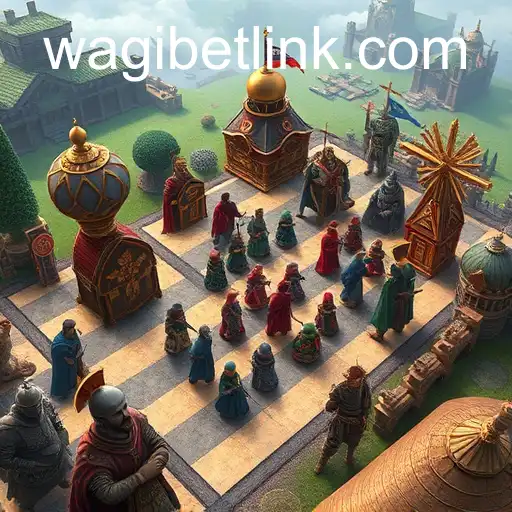
Strategy games have long captivated the minds and imaginations of gamers across the globe, offering complex and challenging experiences that require players to think ahead, plan meticulously, and adapt to ever-changing scenarios. As a distinctive genre within the gaming realm, strategy games provide a rich tapestry of gameplay where tactics often take precedence over sheer reflexes. From the ancient grid-based campaigns of chess to the expansive and ever-evolving digital worlds of modern video games, strategy games demand a high level of engagement and critical thinking.
The term 'wagibet' within the strategy games category represents a unique intersection of skill, judgment, and prediction. It emphasizes the calculated risks players decide to take while maneuvering their virtual assets towards victory. The strategic employment of wagibet pertains not only to the management of in-game resources but also to the anticipation of opponent moves, all while adapting tactics in real time to ensure domination in digital battlegrounds.
In strategy games, players often find themselves embodying the role of a commander or manager tasked with overseeing the development and expansion of territories, the cultivation of resources, and the construction of robust infrastructures. These games encompass a wide range of subgenres, from real-time strategy (RTS) titles that test players' ability to make split-second decisions, to turn-based strategy (TBS) games that allow for more contemplative and deliberate planning.
One of the most powerful draws of strategy games is their inherent replayability and ability to offer fresh challenges upon each session. Unlike other genres, where levels and scenarios can grow repetitive, strategy games often incorporate randomized elements or robust AI opponents, ensuring that no two playthroughs are ever the same. This keeps players returning, refining their approaches, and exploring new tactics to outwit foes.
Moreover, the multiplayer facet of strategy games brings an exhilarating social dimension into the mix. Whether competing against human opponents or working collaboratively in co-op modes, the dynamic interactions elevate the gameplay experience, fostering communities and driving innovation in strategies to secure a win.
Despite the rigorous cognitive demands strategy games impose, they remain accessible to a broad audience. From beginner-friendly titles designed to introduce fundamental concepts to hardcore simulations that promise complexity and depth, there is a strategic challenge waiting for every type of player. The growth of the internet has further augmented this, opening up opportunities for global competition and exchange of strategies through various online platforms.
In conclusion, the strategy games category enriched by the concept of wagibet offers a vast and engaging landscape. It challenges players not just to win but to do so with critical thinking and well-formed strategies. Whether you are a casual player seeking a quick tactical battle or a seasoned strategist looking for the next big challenge, strategy games continue to provide a fertile ground for intellectual growth and entertainment.
